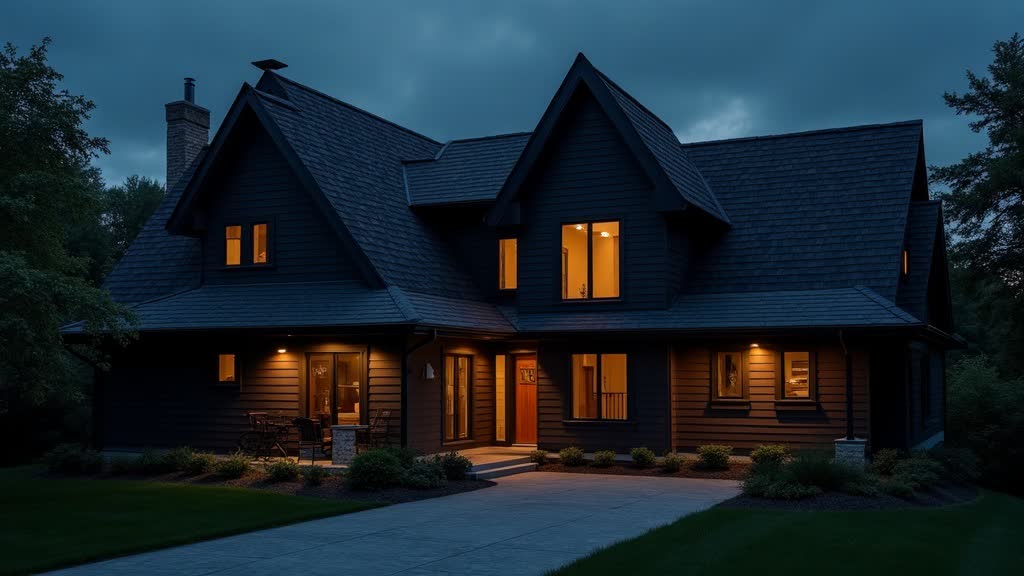
Residential Roofing in Seminole, FL:
The Right Roof for the House You Own.
Residential roofing in Seminole covers a few distinct types of home, from 1970s one-story houses to lakeside lots to townhomes run by an association. Each asks for something different from a new roof. Whatever you own, the roof carries a 15-year workmanship warranty in writing on top of the manufacturer's, it's measured from imagery before we visit, and you approve the job from your phone.
Takes about 30 seconds. A local roofing specialist follows up the same business day.
Residential Roofing in Seminole Starts With the House
Residential roofing in Seminole means a few very different jobs. Inside city limits, the 2020 to 2024 Census estimates count 10,843 housing units. Only 4,449 of them, about 41%, are detached houses. Another 594 are attached single-family homes like townhomes and villas. A full quarter, 2,666 units, sit in buildings with 20 or more homes, and about 13% are mobile homes.
That mix changes the first question we ask. On a detached house it’s usually “how many roofs has this deck carried?” On a townhome it’s “who owns the roof?” On a lot near the water it’s “which flood rule applies?” A good plan for a Seminole home starts by sorting out which kind of house it is, then picks the material and the scope.
City of Seminole Homes by Building Type
- Detached houses
- 4,449, about 41% of 10,843 housing units
- Attached single-family
- 594
- Buildings with 2 to 19 units
- 1,723
- Buildings with 20 or more units
- 2,666, about 25%
- Mobile homes
- 1,411, about 13%
The 1960s to 1980s Single-Family House
This is the classic Seminole home. The city’s median build year is 1979, and roughly six in ten homes inside city limits went up between 1960 and 1989. The 1970s alone account for 3,058 homes, about 28%. Many are single-story with a simple hip or gable roof, often with a porch, carport or added room off the back.
A house that age is almost never on its first roof. Past crews may have laid a new covering over an old one, reused tired flashing or left the deck nailed the way it was framed. So the real work on these homes happens below the surface: tear-off to bare wood, replacing soft sheathing, adding fasteners and sealing the deck under a secondary water barrier. Our shingle roofing page walks through that process step by step, and the low sections off the back are covered on our flat roofing page.
These houses took real hits in 2024. City figures reported after the storms put Helene’s toll at 299 Seminole single-family homes and Milton’s at 192. If yours was one of them and the roof was patched rather than replaced, the free inspection is the place to find out how that patch is holding.
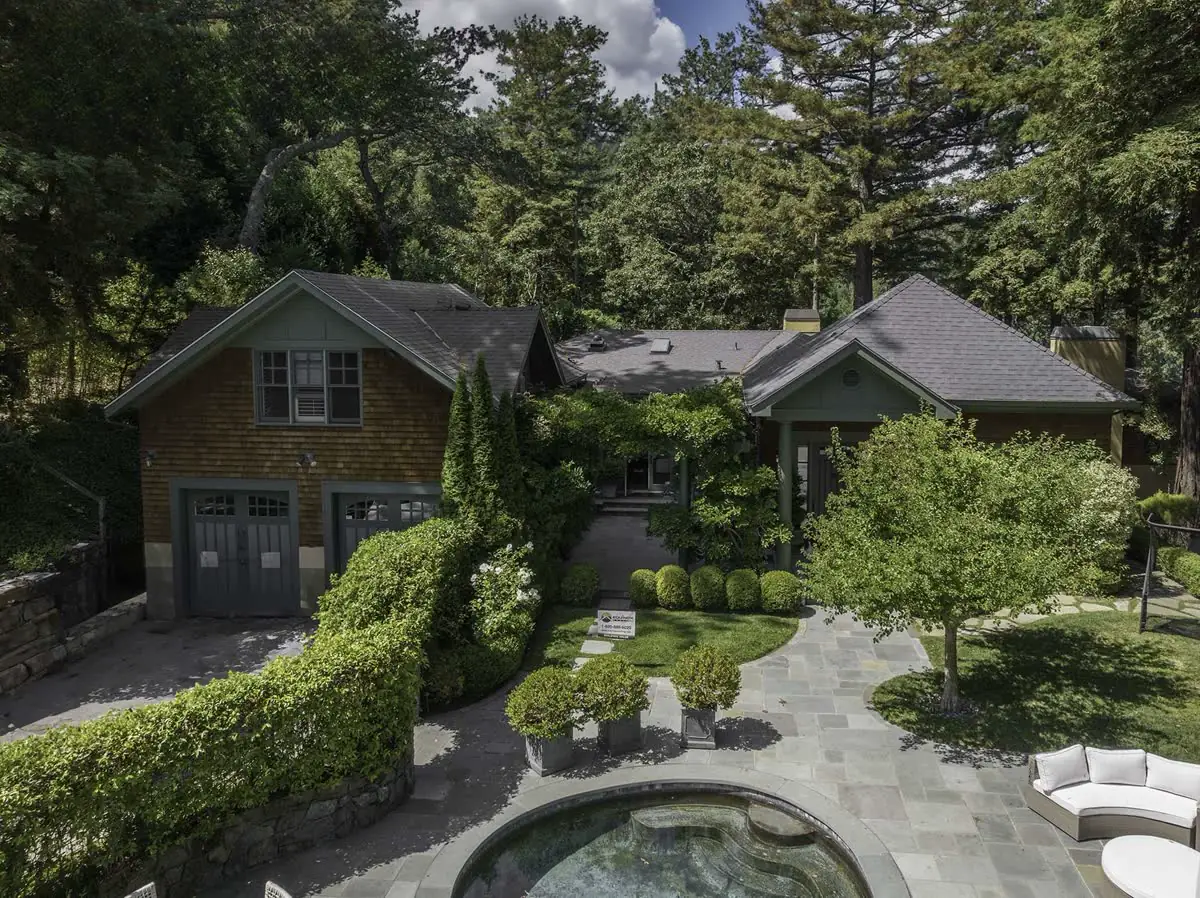
Homes Around Lake Seminole and the Bayous
Lake Seminole covers 684 acres, formed in 1949 when an earthen dam went in along Long Bayou where Park Boulevard runs today. Homes close to it, or to Long Bayou and Cross Bayou, carry more flood exposure than the rest of the city. According to the city, about 11% of city properties are in the 100-year floodplain, and the city names those three bodies of water as the main flood sources.
That shows up in roofing two ways. First, a house facing open water can take wind straight off the lake or bay, so fastening at the edges and ridges deserves extra attention. Second, if the roof is part of a bigger repair after a storm, the flood rules can come into play.
Inside city limits, the line is 50% of the building’s market value, measured on each project by itself. Reach it and the house must meet new-construction flood rules. The city’s own review form lists re-shingling or re-tiling a roof among the costs it counts. On an unincorporated parcel the county uses 49%. Florida law since June 2025 stops local flood ordinances from adding repairs together over a period of time, so we ask the county how earlier work on your house is treated before you sign. Two lakeside neighbors can be on different rules, and we check which one applies to your home before we file anything.
When a City Project Counts as Substantial Improvement
Condos, Townhomes and Association Roofs
A quarter of the city’s homes are in large buildings, and plenty more are townhomes and villas. The city’s 2000 to 2003 annexations brought in communities like the Woodbridge condominiums, the Timberwoods condominiums and the Townhomes of Lake Seminole, along with many single-family subdivisions.
Association housing changes who makes the call. In a condo building the association almost always owns the roof, and the board or manager hires the contractor. In a townhome row it depends on the declaration; some owners hold their own roof, some don’t, and some rows get replaced building by building so the lines stay clean. Where the roof is a flat or low-slope system, our commercial roofing and flat roofing pages cover the materials.
If the roof is yours, the tie-in to your neighbor’s section needs a written plan before anyone signs. That plan names where the new roof stops, how the flashing meets the old roof and what color and profile the rules allow.
Questions to Answer Before an Association Roof Is Priced
- Whose roof is itThe declaration or deed says whether the owner or the association replaces it
- One building or one unitTownhome rows and condo buildings are often reroofed as a whole
- What the rules allowMaterial, color and profile limits written into the guidelines
- Who signsThe owner, the board or a manager, depending on who holds the roof
HOA Approval Before the Permit
Many Seminole associations want to see a roof change before it happens. Some keep a short list of colors. Some only care when the material changes, say from shingle to metal. A few say nothing about roofs at all. Your covenants or the management company will tell you which.
Our quote makes the approval form easy to fill out. Each option names the product line and color, which is what most architectural committees ask for. You pick the option, send it in, and once the approval comes back in writing, we file for the permit. The approval letter goes into your portal with the contract, so it’s on hand if a question comes up years later.
Getting a Roof Past the Architectural Committee
- Check the covenantsFind any limits on roof material, color or style
- Pick your optionYour quote lists the product line and color name for each choice
- Send it inThe committee or manager reviews it; wait for written approval
- Then the permitWe file once the approval letter is in your portal
City Home or Seminole Mailing Address?
The Census numbers show two different Seminoles. Inside city limits, 73% of occupied homes are lived in by their owners. Across the four ZIP codes that carry the Seminole name (33772, 33776, 33777 and 33778), the share rises to 81%. The ZIP area is also older and more single-family: 64% of its homes were built before 1980, against 54% in the city, and ZIP 33776 is 79% detached houses with 91% owner-occupied.
That fits what the map shows. Only about 26% of the land in those ZIP codes is inside the City of Seminole. Much of the rest is unincorporated county land, with pieces of Largo, Pinellas Park, Bardmoor, Bay Pines and Ridgecrest mixed in. So a typical house with a Seminole address is an owner-lived detached home from the 1970s, and more often than not it sits outside the city.
City of Seminole vs. The Four Seminole ZIP Codes
- Owner-occupied, city
- 6,607 of 9,084 occupied homes (73%)
- Owner-occupied, ZIPs 33772, 33776, 33777, 33778
- 24,204 of 29,781 (81%)
- Built before 1980, city
- 54%
- Built before 1980, four ZIPs
- 64%
- Detached houses in ZIP 33776
- 79%, with 91% of homes owner-occupied
Shingle, Metal or Tile for Seminole Residential Roofing
Most houses here can take more than one kind of roof, so we price at least two next to each other.
- Architectural shingles suit most one-story hip and gable roofs from the 1960s to the 1980s. We install them as a matched system from one manufacturer.
- Metal roofing, usually standing seam, costs more at the start and lasts longer. Owners near the lake or the bay and owners planning to stay put often want to see it.
- Tile roofing belongs on homes framed for its weight. When the tile is sound and the underlayment is worn out, the job is often lifting, re-underlaying and resetting.
Every option is priced from the same measured roof. The difference between them is the material, not a guess about size. If you’re changing material inside an association, ask the committee first, because a switch draws a closer look than a like-for-like replacement.
Matching a Material to a Seminole House
- Architectural shinglesThe usual choice on one-story hip and gable roofs from the 1960s to the 1980s
- Standing seam metalOwners near the water or planning to stay a long time
- Concrete or clay tileHouses built for tile, often with new underlayment under reset tile
- Low-slope membranePorches, carports and added rooms with almost no pitch
The Warranty, Then the Measuring
What stands behind the roof comes first. Your contract includes a 15-year workmanship warranty in writing, separate from and on top of the manufacturer’s coverage on the materials.
Then the technology. Before anyone visits, we measure the roof from high-resolution satellite imagery: each plane and its pitch, and every hip, valley, ridge and edge. The free inspection checks those numbers on site and looks at what a photo from above can’t show, like soft decking, attic moisture and worn flashing. We buy materials direct from manufacturers, and the price reflects that.
No Sales Pitch at Your Door
The inspection is a look at your roof, not a sales meeting. Nobody sits at your table for hours or asks for a signature before leaving. You get Good, Better and Best options, read them when you have time and sign the one you want on your phone. Once the quote is sent, the price is locked, and monthly payment options sit right next to each choice.
After you sign, the homeowner portal becomes the job file. It holds the schedule, documents, messages with our team and photos of the layers you’ll never see again: the bare deck, the repairs to it and the water barrier before the finish goes on. Cleanup is part of the job.
After a storm, what we hand over is a photo report that documents the damage. Whether it goes to your insurer is up to you, and any claim is handled by you and the carrier directly. Our storm damage roof repair page has more on that, and if water is coming in now, we stop the active leak first; see roof leak repair.
City or County: Who Permits the Roof
Because so many Seminole addresses are outside the city, the permit office isn’t a given. Search your parcel on pcpao.gov and read the tax district code. SM means the City of Seminole, and the city’s Building Division on 113th Street issues the permit through its Citizenserve portal. STF or SRT means unincorporated Pinellas County, where reroofs go through the county’s Express permit process.
We look this up for every address, pull the permit in our name and handle the inspections either office requires. Roof Copilot holds Florida certified roofing contractor license CCC1336568 and carries liability and workers’ comp insurance. To get started, request a free roof inspection, or read about roof repair and full roof replacement.
Which Office Permits Your Roof
- Look up the parcel
- Search the address at pcpao.gov and read the tax district code
- Code SM
- City of Seminole Building Division, 727-391-0204
- Code STF or SRT
- Pinellas County Building & Development Review Services, (727) 464-3888
- Who pulls it
- Roof Copilot, in our name
Homes in Nearby Towns
We roof homes across the wider Seminole area too: Bardmoor, Ridgecrest, Bay Pines, Redington Shores, North Redington Beach, Redington Beach, Indian Shores, Madeira Beach, Indian Rocks Beach and Belleair Bluffs. For a full reroof near the VA campus, see our page on roof replacement in Bay Pines. On the barrier islands, start with metal roofing in Redington Shores.
From First Call to New Roof in Four Steps
No pushy sales visits. No three-hour kitchen-table pitch.
- 01
Send Your Address
Add a line about what the roof is doing. That is all we need to get going.
Under a minute - 02
Imagery First, Then a Free Look
We size the roof from satellite imagery, then check the deck, flashing and vents on site.
Within the week - 03
Pick an Option, Sign
Go with whichever option suits the budget and sign from your phone. Filing the permit is our job.
When it suits you - 04
Installed, Swept, Warrantied
A typical roof takes 1 to 2 days. After the yard is cleaned up, you get a 15-year warranty in writing.
1–2 days
Roofs We're Proud Of
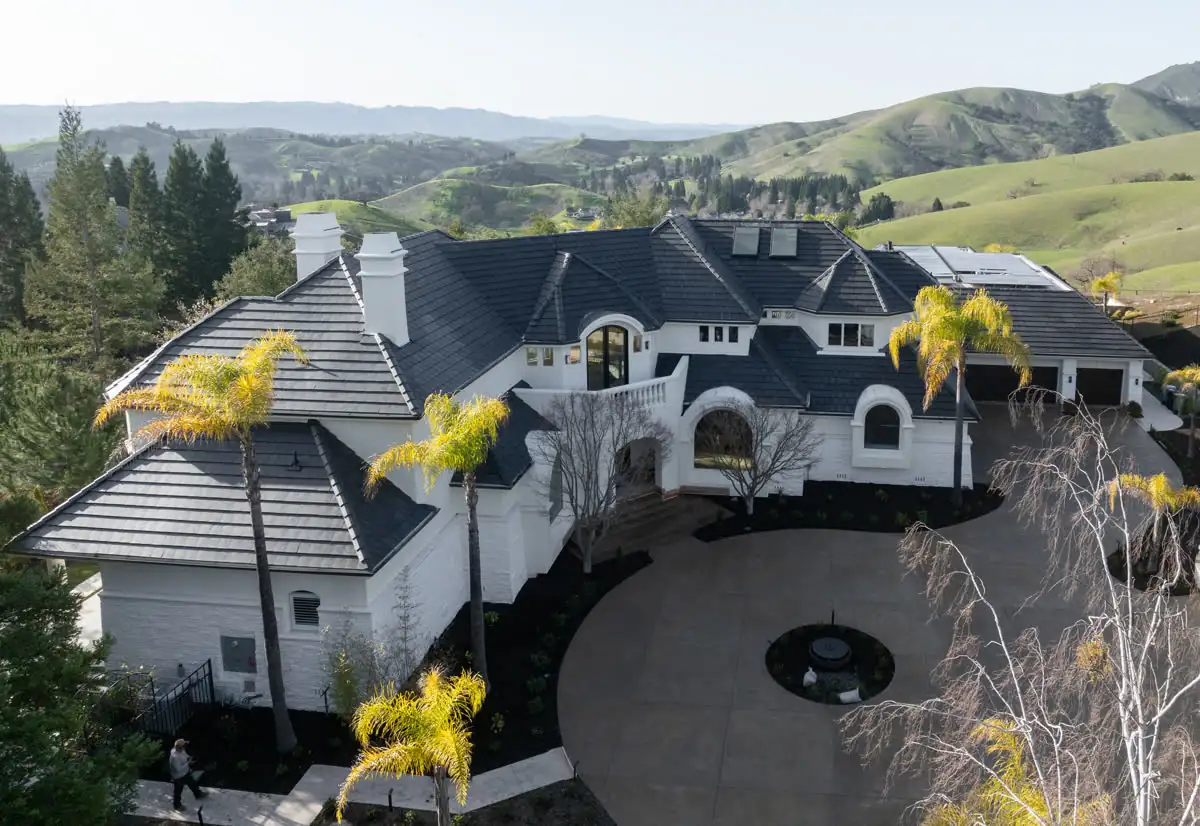
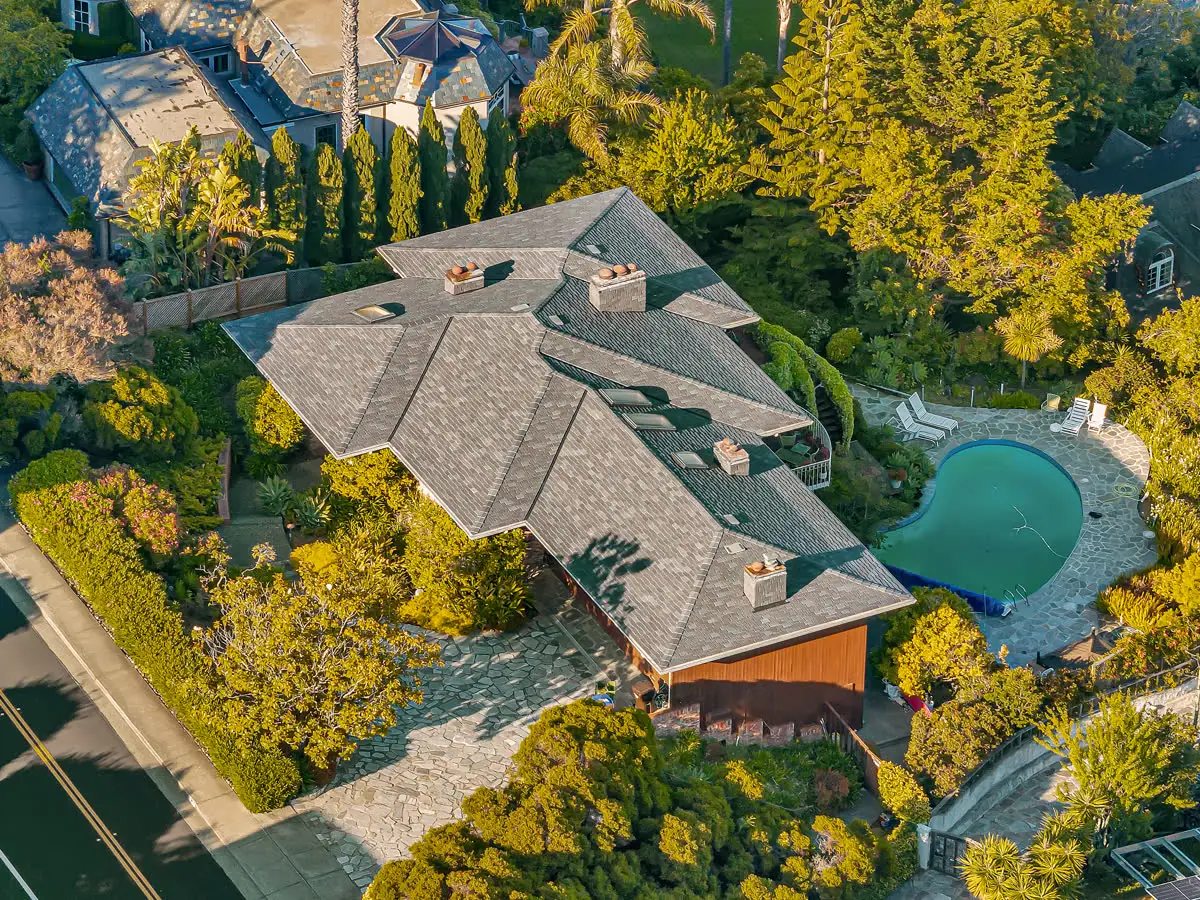
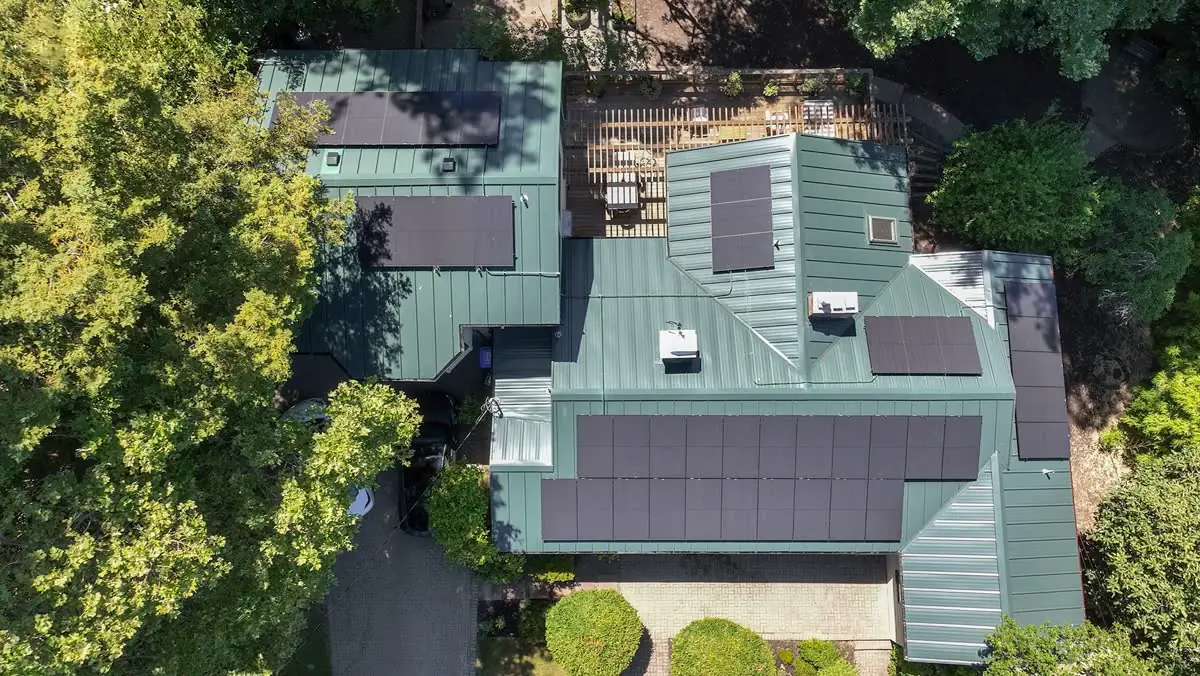
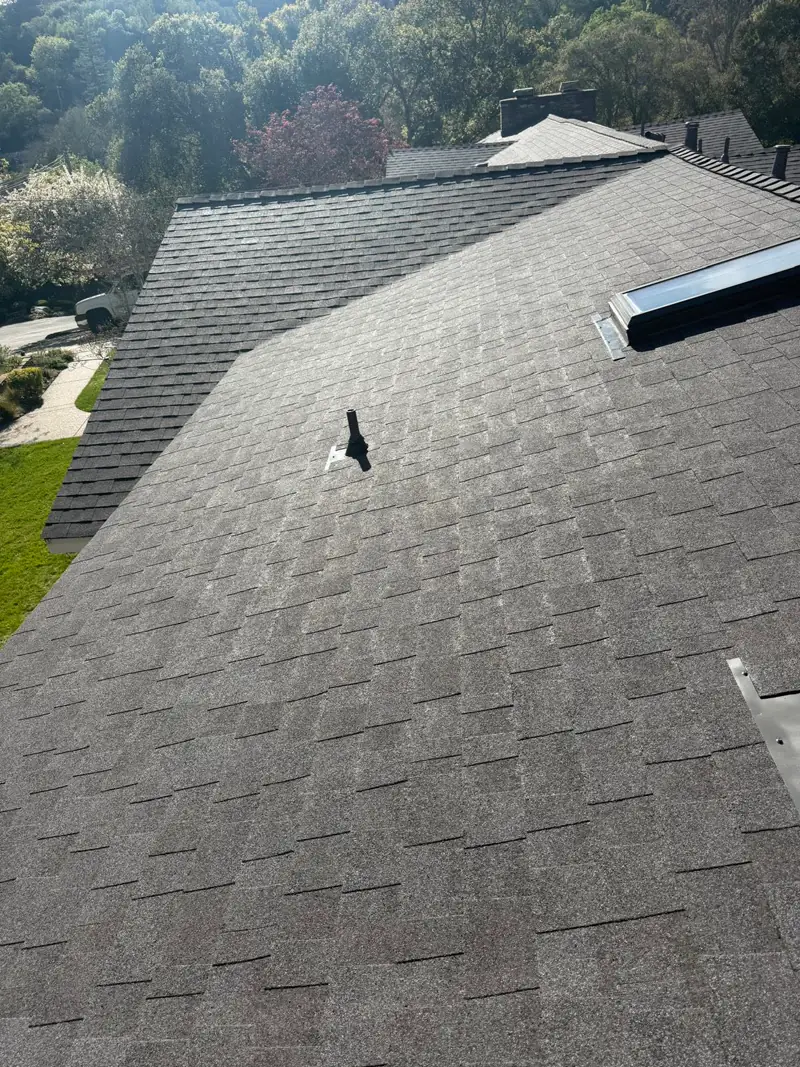
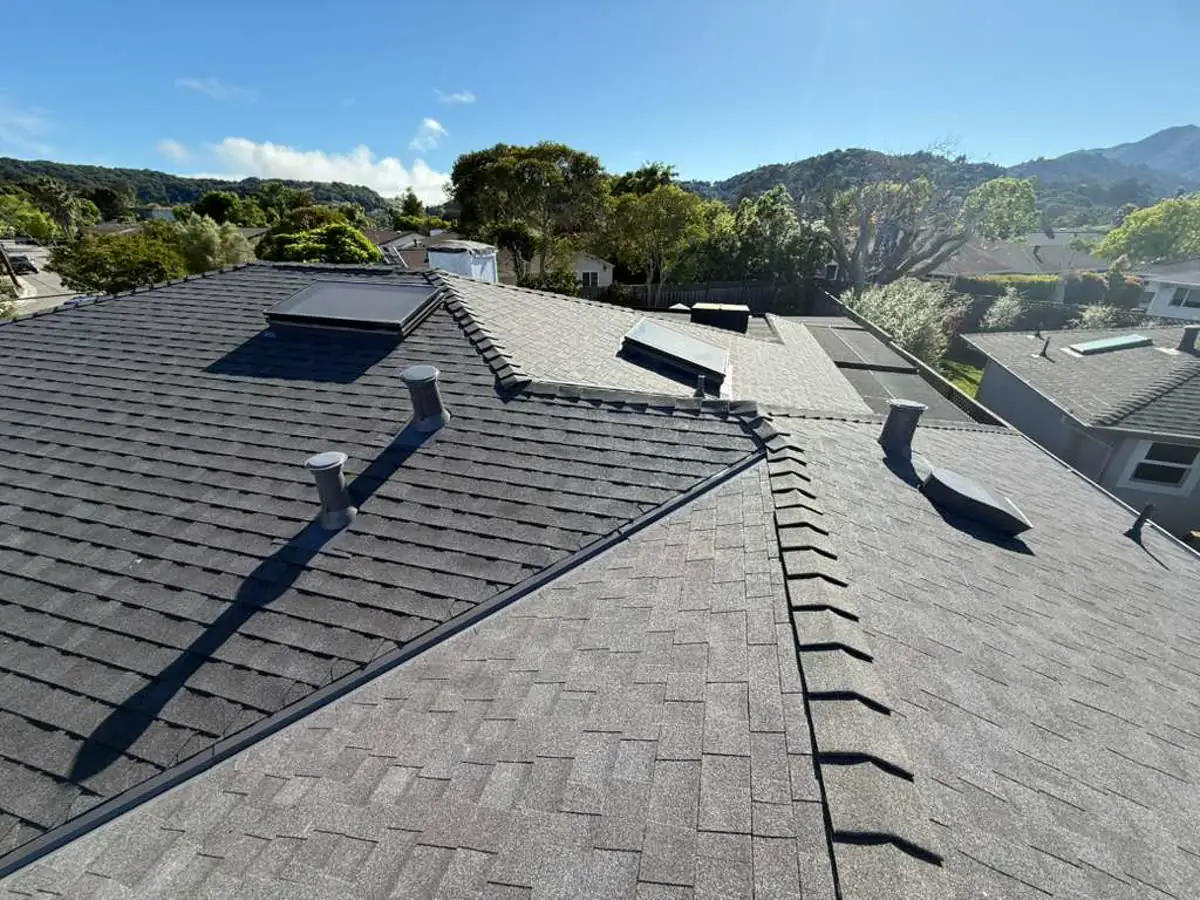
Year workmanship warranty in writing, and it is added to the warranty the manufacturer gives on the materials.
We pull the permit in our name, and the roof is built to meet Florida code. You won't have a form to fill out.
We haul the torn-off roof away, and a magnet passes over the yard and driveway to pick up stray nails.
Florida certified roofing contractor CCC1336568. Our policies include general liability and workers' comp.
Spread the cost into monthly payments so the roof doesn't have to wait.
Residential Roofing Questions from Seminole Homeowners
I Live in a Townhome Community. Can I Replace My Own Roof?
That depends on who owns the roof under your association documents. In many townhome rows the association handles the whole building at once. If the roof is yours, we still check the rules on color and material and plan how your section meets the neighbor's before you sign.
My House Is Near Lake Seminole. Does a New Roof Trigger the Flood Rules?
A reroof alone rarely comes close, but the rule works on the cost of the whole project. Inside city limits, work that reaches 50% of the building's market value on one project counts as substantial improvement. On county parcels the line is 49% of market value. We check which applies before anything is filed.
My Mailing Address Says Seminole but My Neighbor's Permit Came from the County. Why?
Most of the land in the four Seminole ZIP codes is outside city limits, and annexation is voluntary, so city and county parcels sit side by side. Your tax district code on pcpao.gov settles it. SM means the city; STF or SRT means the county.
I'm a Snowbird. Do I Need to Be in Seminole While the Roof Goes On?
No. The inspection photos, your signed option, the schedule, the permit and photos of each hidden layer all land in your homeowner portal, and you can message the team from there.
Can I Get Shingle and Metal Priced Side by Side?
Yes. Both are built from the same roof measurements, so the comparison shows the material difference and nothing else. Ask for both when you send your address.
Do You Offer Monthly Payments on a New Roof?
Yes. Monthly payment options are shown with your Good, Better and Best choices.
Get Your Seminole Roof Measured, Free.
Enter your address. We'll handle everything else.